Buinho Educativo
Buinho Educativo, the education programme shared by Buinho and Zingarelho, works or has worked with schools and municipalities in Aljustrel, Almodôvar, Beja, Castro Verde, Cuba, Ferreira do Alentejo, Mértola, Odemira and Ourique.
Inclusive education
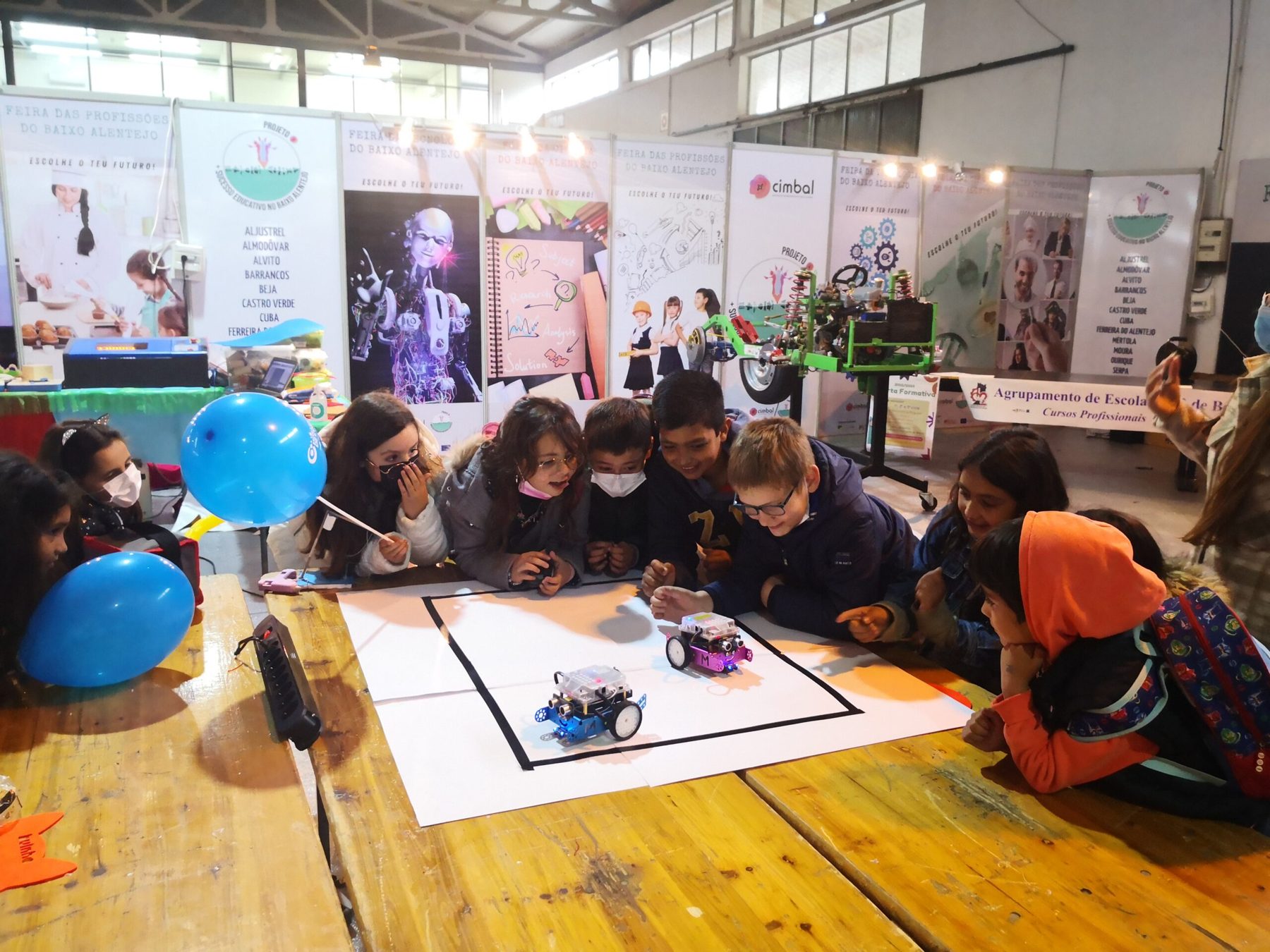
Smaller and more distant schools have fewer chances to use technology creatively. We work with them every week — robotics, digital fabrication, design and science, linked to the curriculum and to the territory — so that students and teachers in low-density areas have the same opportunities as anywhere else.
Learn
Make
Share
Grow ↘
Where we work
Buinho Educativo, the education programme shared by Buinho and Zingarelho, works or has worked with schools and municipalities in Aljustrel, Almodôvar, Beja, Castro Verde, Cuba, Ferreira do Alentejo, Mértola, Odemira and Ourique.
Robotics in primary schools and the municipal Maker Space in Castro Verde; digital literacy and STEAM in the school clusters of Colos and Sabóia, in Odemira; work in the schools of Ourique since 2021; the first educational maker space of Ferreira do Alentejo, since 2022; and a weekly day in the parish schools of Aljustrel, the municipality where we are based.
Regular work, close to the schools, reduces the gap between peripheral communities and large cities. Continuity matters: a weekly session builds habits and skills that a one-off visit cannot.
Through EIRA, the Erasmus+ school accreditation coordinated by Buinho with seven school clusters of the region, teachers from these schools train in other European countries. And teachers from across Europe come to learn with us.
Partners and clients














Activities
01 / STEAM
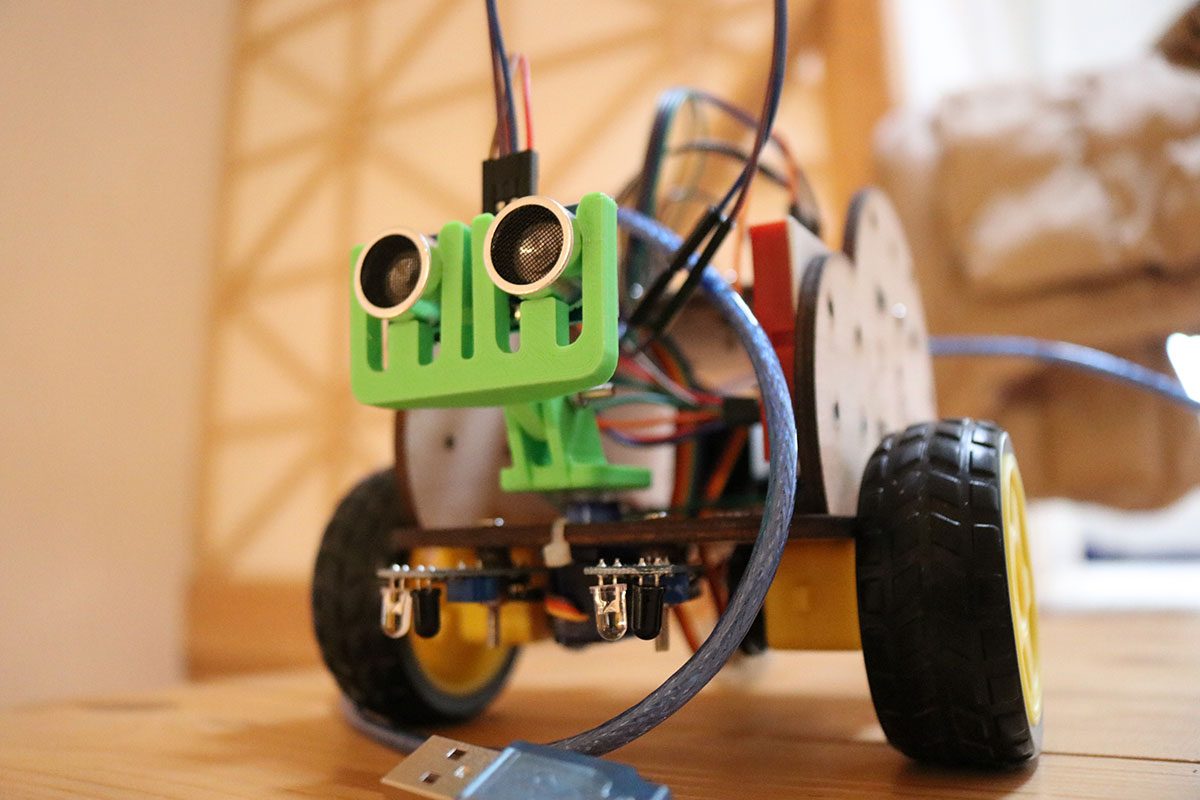
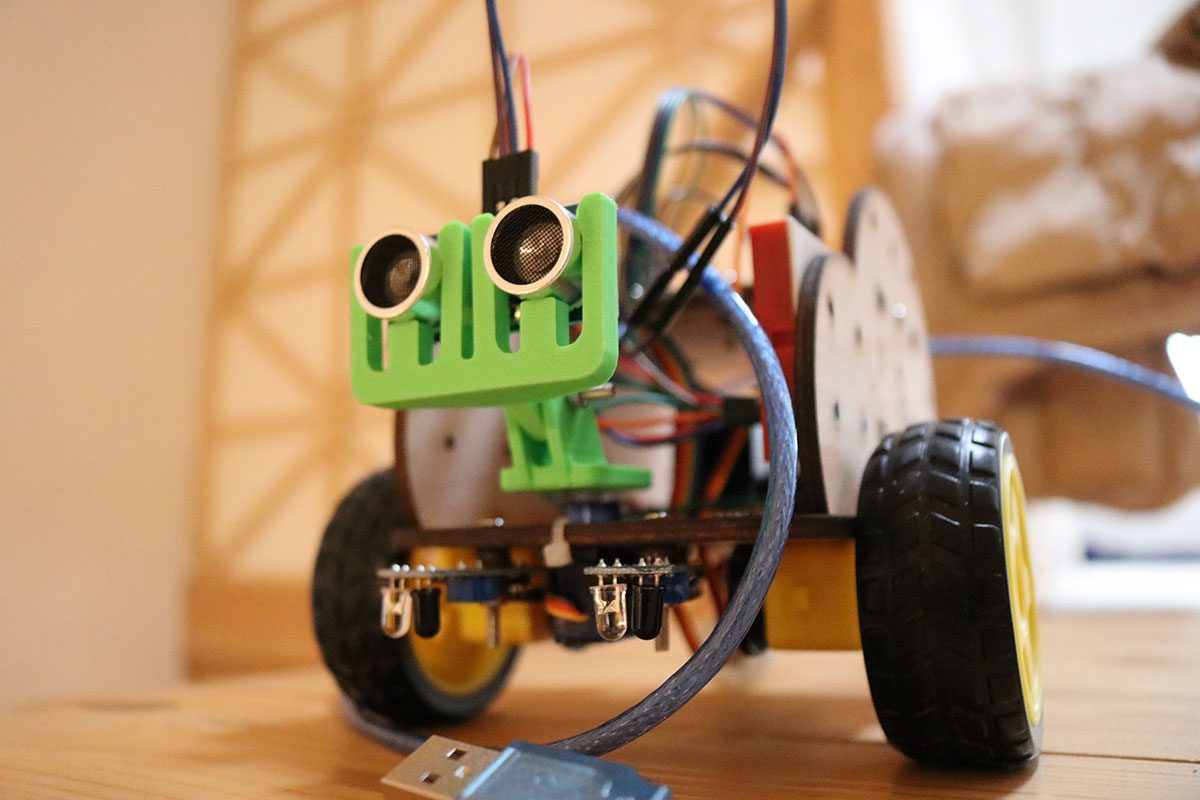
Exploring motors, circuits and programming through small challenges. The object we build lets us see what happens when we change a connection, an instruction or a part.
In Castro Verde, robotics has been part of the weekly curricular enrichment activities of primary-school classes, in several schools of the municipality.
Group experimentation, problem solving and computational thinking.
Talk to us about this activity ↗02 / STEAM
Robotics and fabrication make a deeper difference when they are not a one-off visit. We help municipalities and school clusters run maker spaces with regular sessions — as in the municipal Maker Space of Castro Verde — and take weekly digital literacy and STEAM sessions to schools that have no space of their own for it, as in the school clusters of Colos and Sabóia, in Odemira.
Continuity, shared equipment and skills that grow over the school year.
Talk to us about this activity ↗03 / Inclusion
Using sensors as tools to investigate our surroundings: asking a question, collecting observations and discussing what the data can tell us. Applying this to the sensory experience of spaces — noise, light, crowding — is a central strand of Sensing Belonging and of the Invisible Cartographies project in the Buinho ecosystem.
Data literacy, a critical reading of the environment and taking part in changing spaces.
Talk to us about this activity ↗04 / Inclusion
Designing with and for students who experience the world differently: tactile 3D models that explain natural phenomena to blind and partially sighted children, sensory maps of schools and museums, quieter corners and visual signage, and materials that are easier to handle.
This work is developed across the Buinho ecosystem with specialist schools and European partners, and tested in schools in Baixo Alentejo.
Accessibility, empathy and student participation in shaping their own environment.
Talk to us about this activity ↗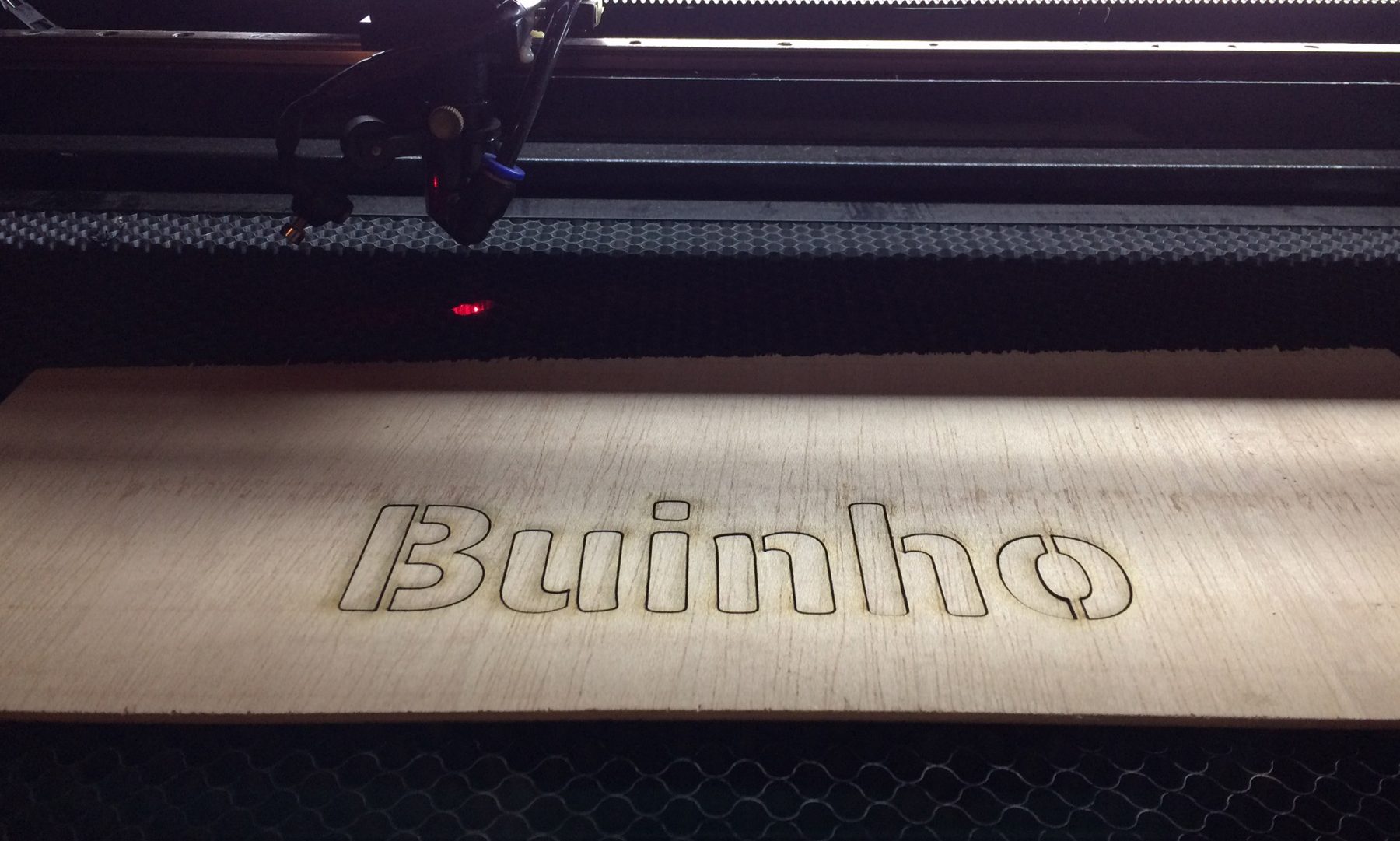
05 / STEAM
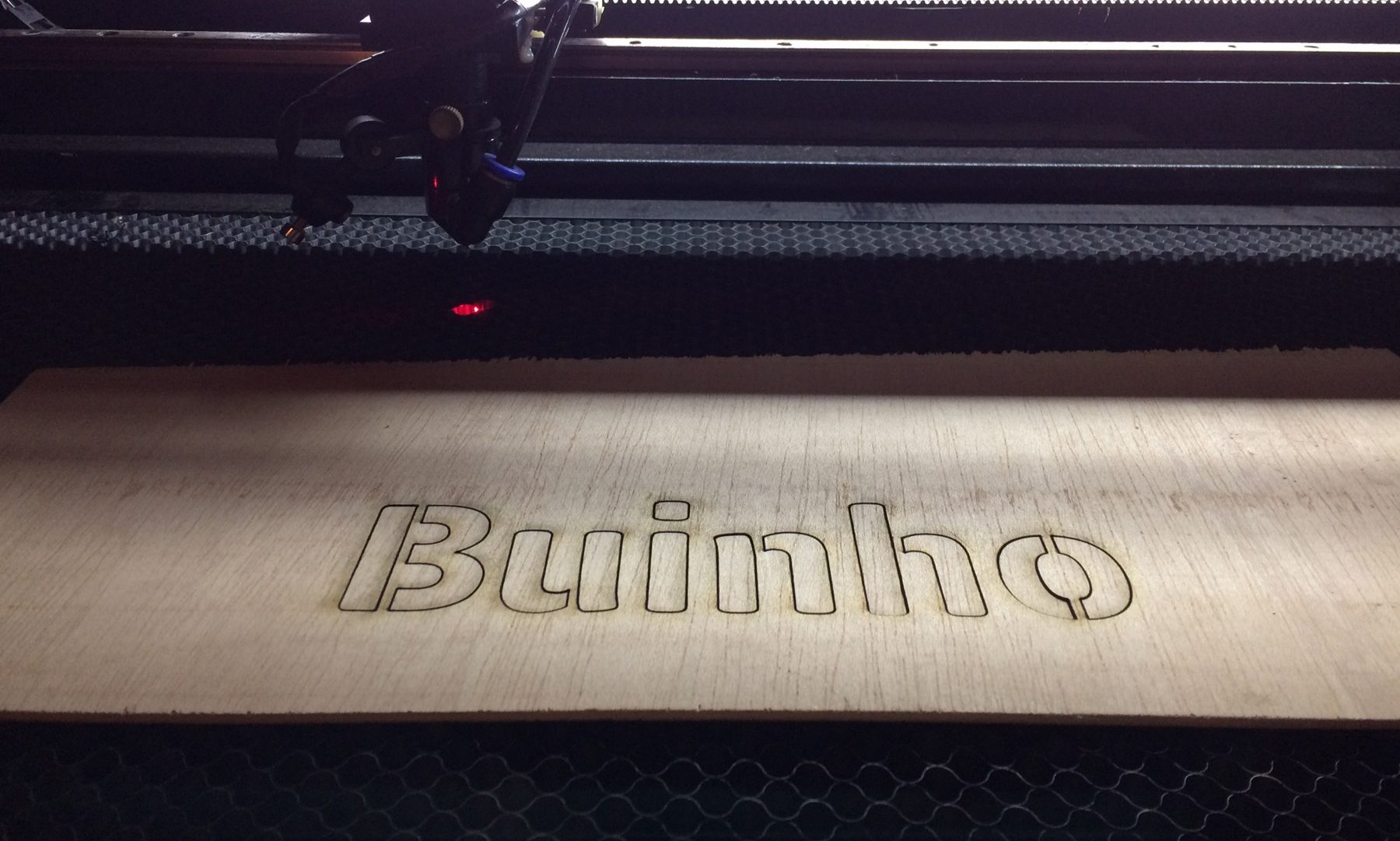
Linking drawing and making with digital fabrication tools. Testing a shape, producing a part and revising it after use makes the design process part of learning.
Prototyping, drawing, collaboration and responsible use of tools.
Talk to us about this activity ↗06 / Creation
Exploring and transforming toys brings creativity, technology and reuse together: first understanding the components, then troubleshooting, repairing and finally transforming. Each session is designed around the age of the group and the level of supervision.
Toy Hacking is also one of the themes of our structured courses for teachers from across Europe, and we are adapting it to early childhood education with kindergarten educators we met on those courses.
Curiosity about objects, experimentation and reflection on reuse.
Talk to us about this activity ↗Robotics, electronics, fabrication and creative exploration. We match the challenges to the ages, resources and questions of each group.
Educational pathways close to the territory, with hands-on technology and participation. Working with local schools and staff lets us adapt formats and ensure continuity over the school year.
Practical training to try out methods and discuss how to apply them, from short courses for local teachers to structured Erasmus+ courses for teachers from across Europe.
Cooperation in education, inclusion and fabrication. We look for complementary skills and a concrete problem to work on together.
How we work
Get to know the group and define the question. Choose the tools and prepare the session.
Experiment with support. Talk about the process and document what can be reused.
Tell us who you want to work with, where and with what goal. Dates, duration and conditions are agreed together.
Propose a collaboration ↗