Territory and communities

Resilient places
start with
people

The same tools that open technology to schools help a territory look after itself: repairing instead of throwing away, making materials from what grows locally, measuring the environment, and bringing creative work to places where it is rare.

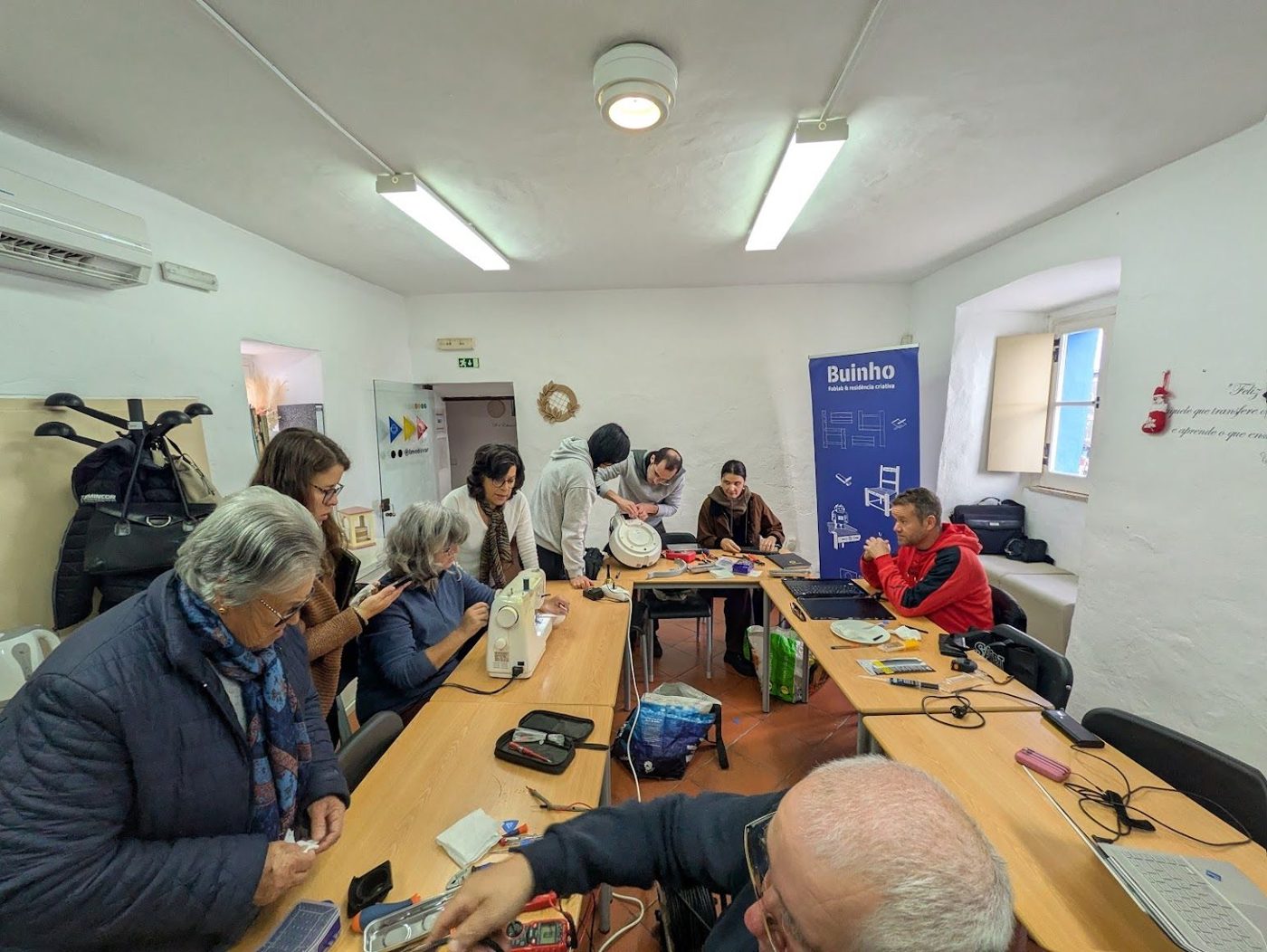
Volunteers and participants at a Repair Café
Messejana, in the Alentejo
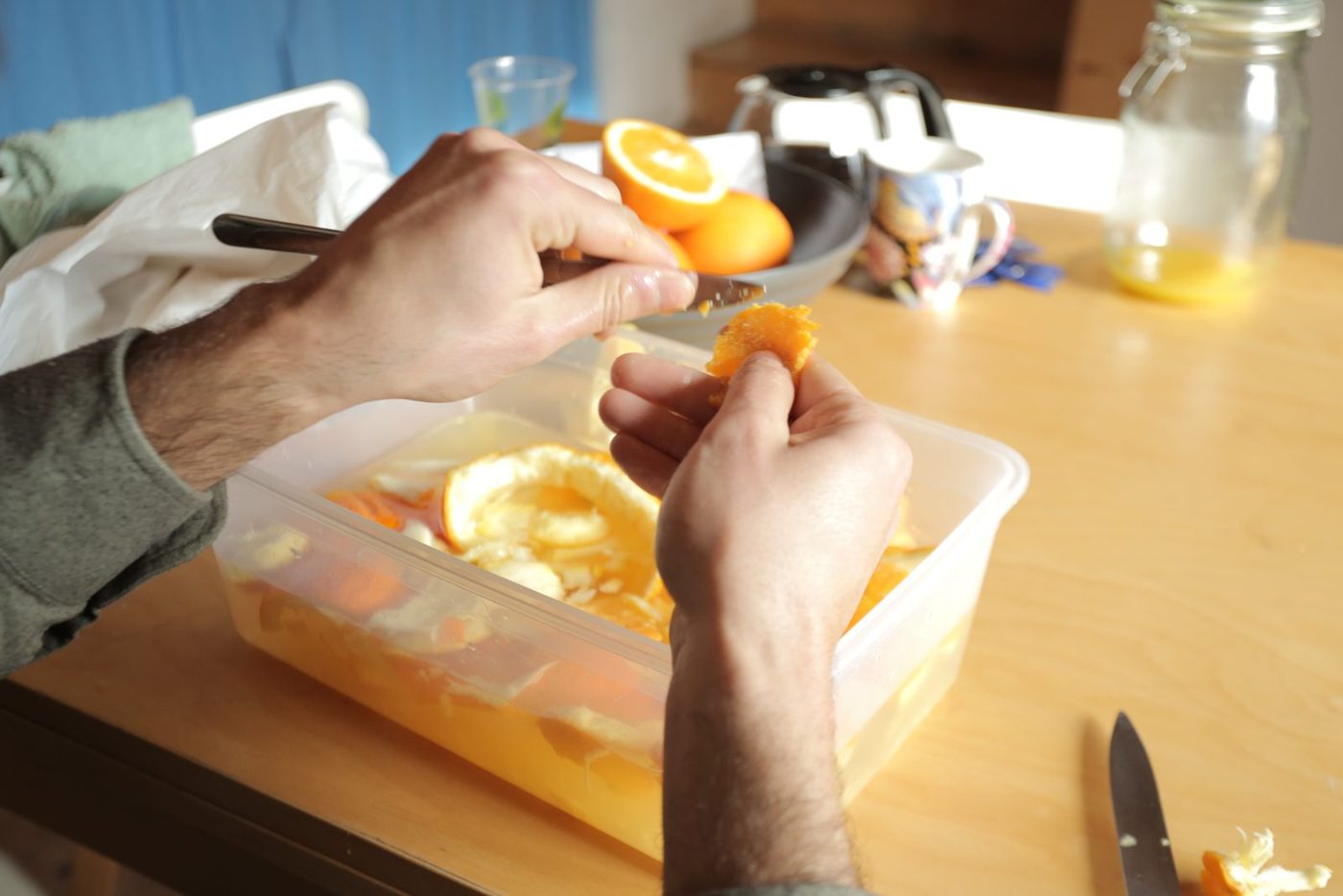
Preparing food waste for biofabrication
Ideas
People
Tools
Community

Learn
Make
Share
Grow ↘

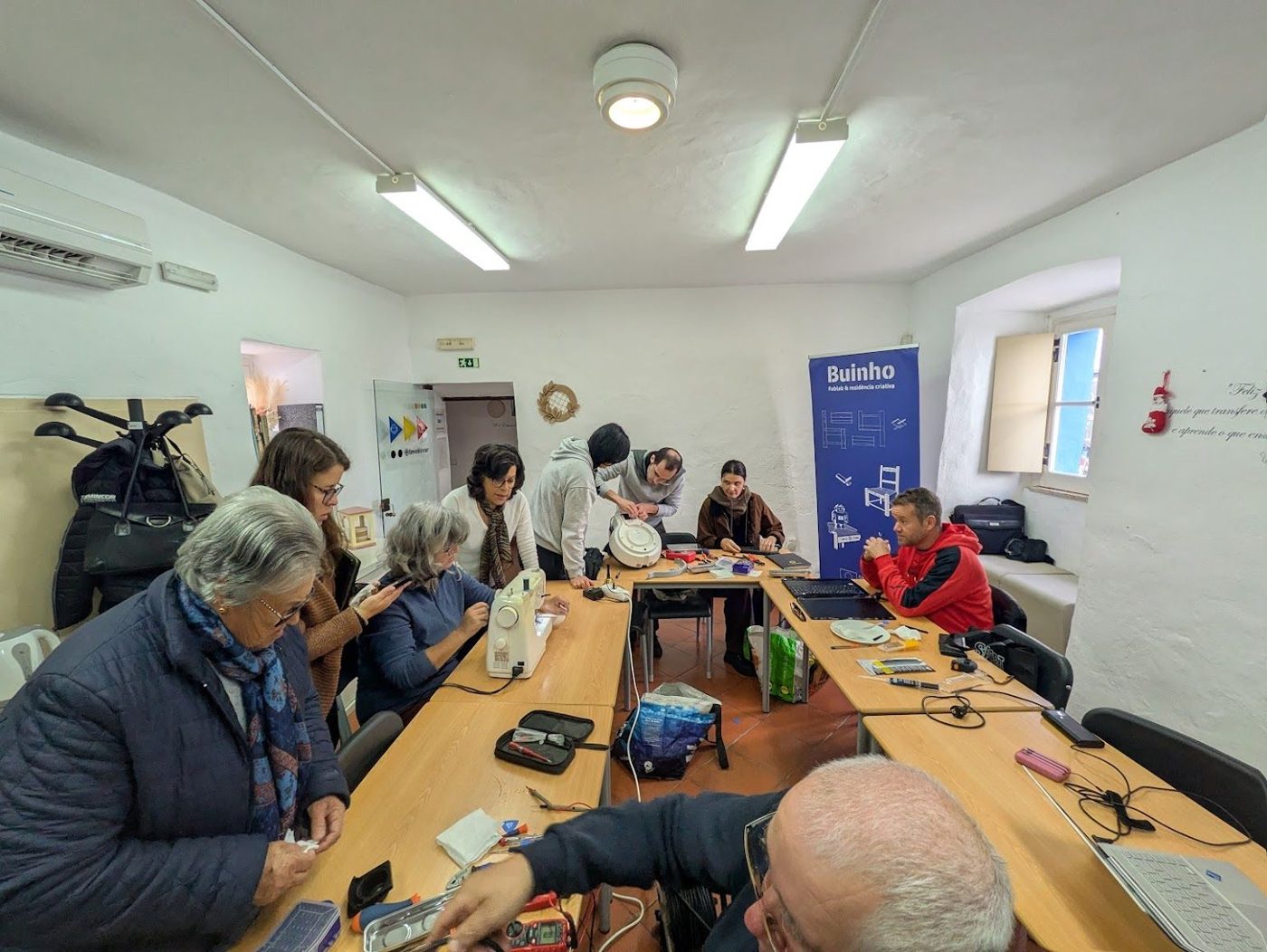
Repair Café with volunteers and participants. Buinho archive.

01 / Territory

Repair culture

Repairing together, instead of throwing away.

Repair Cafés bring people of all ages together to diagnose and fix small appliances, furniture, bicycles and clothes. Since 2023, during the European Week for Waste Reduction, the Buinho ecosystem and Resialentejo have organised a Repair Café marathon across the eight municipalities of the Resialentejo network, with volunteers — many of them seniors — repairing alongside participants. In December 2024 it won a national award for the best volunteering project in environmental protection and climate action.

Repair is also a way into learning for adults with fewer opportunities. It is at the heart of several Erasmus+ adult education and youth projects in the Buinho ecosystem — WeRepair, Rural Eco-Clubs for Adults, RE-POWER and WeRepair Youth — and of community Repair Cafés included in municipal education programmes.

Circular economy in practice, intergenerational learning and volunteering.

Talk to us about this activity ↗
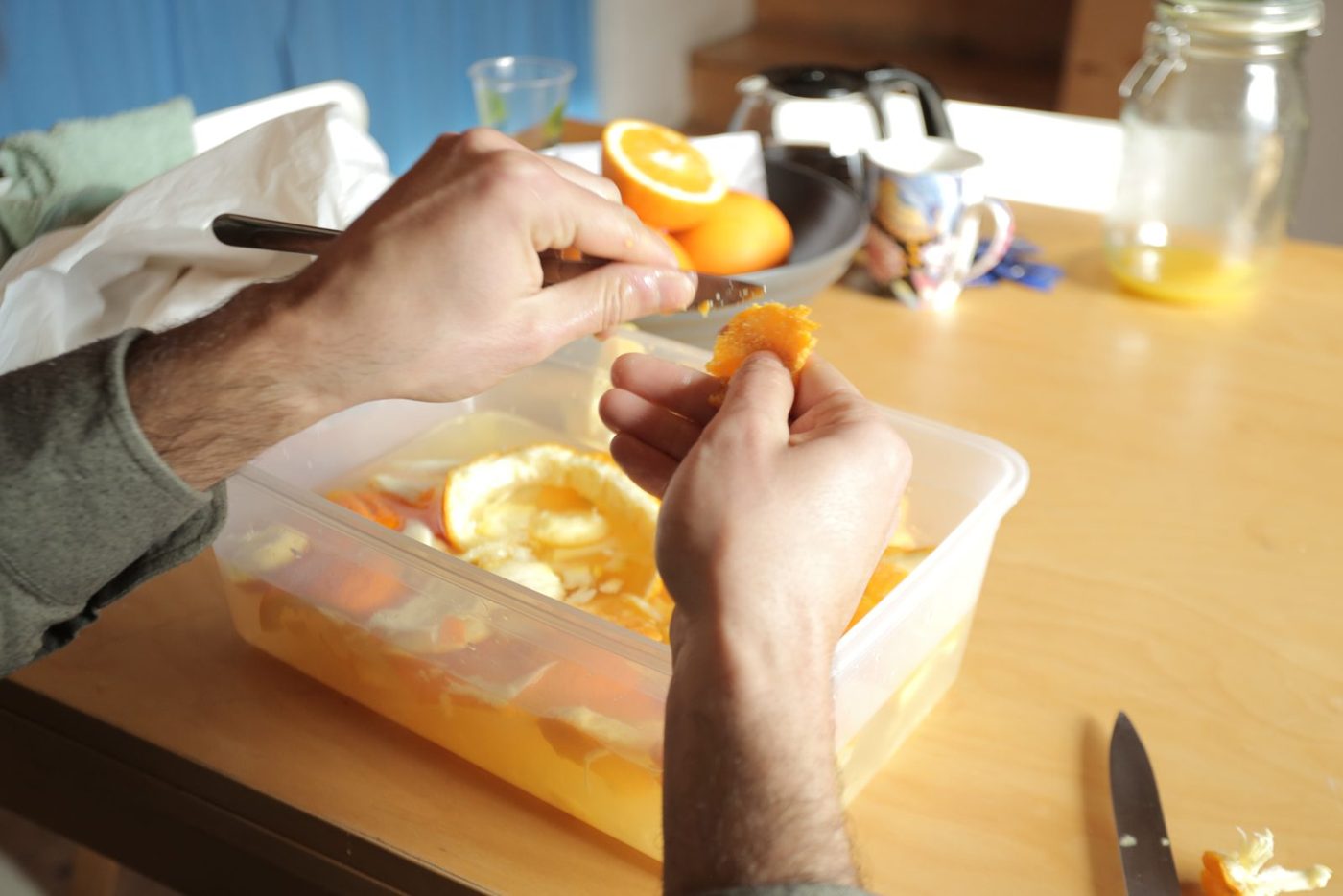
Preparing food waste for biofabrication. Buinho archive.

02 / Territory

Local materials and biofabrication

What grows here can become what we build with.

Mycelium grown on thistle, a plant that is abundant in the Alentejo; food waste turned into new materials and products. Biofabrication links science, design and the local economy, and lets young people and artists experiment with materials that come from their own territory.

SUBSTRACTO, supported by DGArtes with scientific collaboration from CEBAL, develops acoustic panels made of mycelium for a school in Aljustrel. Materia Viva, an Erasmus+ youth partnership with Corsica, works with young people on turning food waste into materials for their communities.

Bio-based materials, local resources and new skills for a rural economy.

Talk to us about this activity ↗
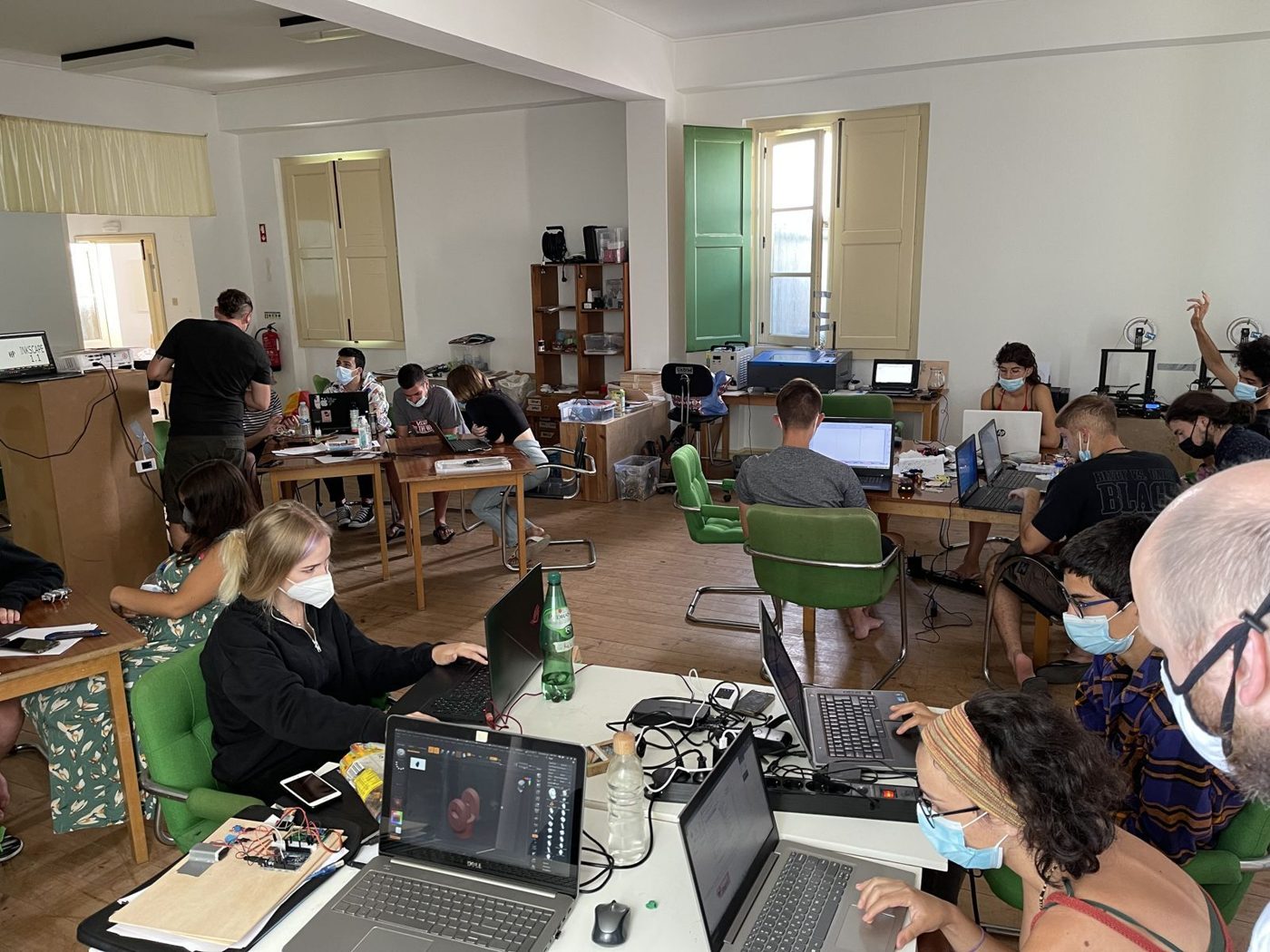
Youth Sensing workshop, Messejana. Buinho archive.

03 / Territory

Environmental sensing

Measuring the place where we live.

Young people and adults build low-cost sensors and weather stations to observe heat, water, air and noise in their own towns, and then discuss what the data shows.

Youth Sensing (2020) brought 42 young people from seven countries to Messejana to measure pollution in the territory; Gota d’Água had young people from water-scarce Mediterranean regions build sensors and smart irrigation systems in Castro Verde; Sentir Europa, coordinated by Buinho, connects around 70 young people from rural Alentejo and Extremadura who measure and compare their environments.

Data literacy, climate awareness and citizen participation.

Talk to us about this activity ↗
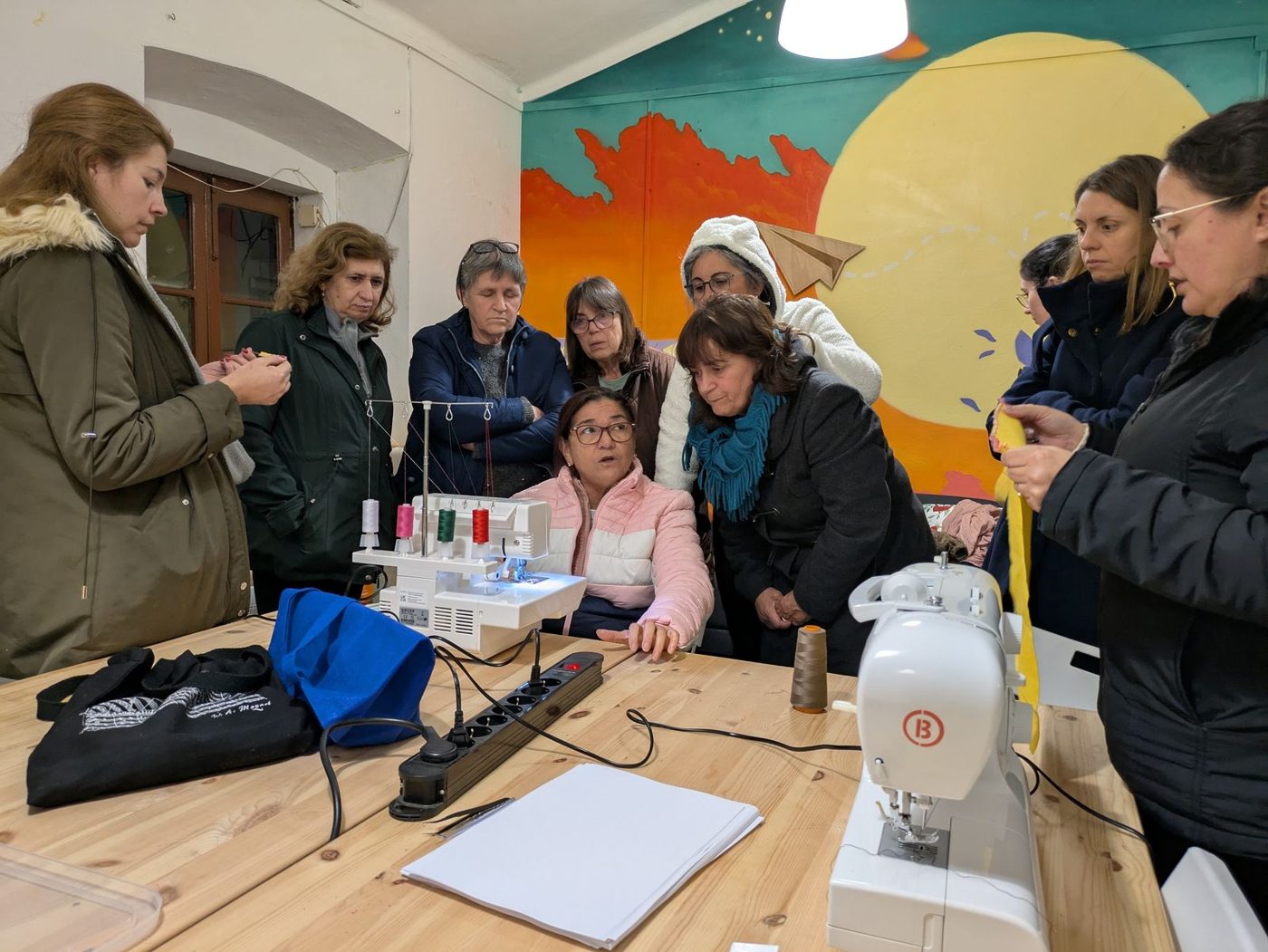
Messejana sewing club. Buinho archive.

04 / Territory

Making and care in the community

Small, regular groups that last.

The Messejana sewing club meets twice a week: donated clothes and fabric get a new life, and participants share what they know. Its members now sew support cushions for women who have undergone a mastectomy, to be donated to the Portuguese League Against Cancer — a practice that ABRI, an Erasmus+ adult education partnership with 8 Fablab Drôme, brings together with digital fabrication: laser-cut patterns, materials and parametric design.

Social participation, shared skills and care.

Talk to us about this activity ↗
Messejana, in the Alentejo. Buinho archive.

05 / Territory

Artist residencies

The creative economy, in a village.

Every year, artists, designers and researchers from around the world live and work in Messejana for two weeks to two months. Residencies bring new people, skills and income to a low-density village, and open the place to the world.

In projects such as SUBSTRACTO and Invisible Cartographies, resident artists work directly with local schools, so that creative work becomes a tool for inclusion and innovation in the territory.

Creative economy, international exchange and work with local schools.

Talk to us about this activity ↗

Next steps

From projects
to local action

Circularity with municipalities

Repair, reuse and local materials can support the action plans that municipalities already have to deliver on waste and climate. We are developing this line with municipalities and regional partners such as Resialentejo.

Local data, shared

Low-cost sensors built with young people and adults let a community see its own environment — heat, water, air, noise — and discuss what to change, with data it understands and trusts.

Working on
your territory?

Repair Cafés, community workshops, environmental sensing or a residency linked to a local question: tell us what you have in mind.

Get in touch ↗